How to Study in Canada From Nigeria (Complete 2026 Guide)
Why Nigerian Students Are Choosing Canada in 2026
Canada has become one of the most reliable, affordable, and immigration-friendly destinations for Nigerian students. The appeal is simple: high-quality education, the ability to work while studying, a clear Post-Graduation Work Permit (PGWP), and a straightforward path to long-term residency. More importantly, several Canadian universities now offer affordable tuition plans and scholarships that make the journey realistic for thousands of students every year.
For many Nigerians, studying in Canada is not just about earning a degree — it’s about securing a future with better career opportunities, stable income, and global exposure. This guide simplifies the entire process so you know exactly what to do from start to finish.
Understanding Your Pathway to Canada
Studying in Canada starts with choosing the right university or college. Each institution has different admission requirements, tuition costs, and programme options. Some students prefer research-rich universities like Manitoba or Saskatchewan, while others choose colleges for cheaper tuition and quicker admissions.
Before you start, it helps to review similar opportunities such as the fully funded US scholarships or the affordable UK options like the UEA scholarship, so you can compare routes and prepare multiple options.
Eligibility Requirements for Nigerian Applicants
To qualify for a Canadian study programme, Nigerian students generally need:
- Secondary school certificate (WAEC/NECO) with the required grades for your intended course.
- Proof of English proficiency — IELTS, TOEFL or Duolingo, unless the school grants an exemption or conditional admission.
- A valid international passport.
- For master’s applicants, a bachelor’s degree with competitive grades, academic CV, references, and a clear Statement of Purpose.
Graduate students applying to research-based programmes should also prepare a strong research interest or proposal. These documents significantly improve your acceptance rate, especially in competitive fields.
How to Apply to Study in Canada (Step-by-Step Guide)
Step 1: Choose your school and programme
Start by selecting universities or colleges that match your career goals and your budget. Canada has options ranging from affordable institutions to world-ranked universities.
If you want a balanced option, schools like the University of Manitoba, University of Saskatchewan, and Memorial University offer strong programmes at reasonable fees.
Step 2: Check admission requirements
Every programme has its own expectations. Check subject requirements, GPA cut-offs, English test expectations, portfolio requirements (if applicable), and supporting documents. Understanding these early helps you avoid rejection due to missing details.
Step 3: Gather your documents
Prepare your transcript, WAEC/NECO certificate, passport, English test results, CV, Statement of Purpose, and your referees. Graduate applicants must pay special attention to their SOP, as it carries immense weight during admission and visa stages.
Step 4: Submit your online application
Applications are completed through the school’s online portal. Upload scanned copies of your documents, fill the required details, and pay the application fee. You will receive updates via email as the school reviews your file.
Step 5: Accept your offer of admission
If admitted, you’ll get a conditional or full offer letter. Accept the offer, pay the deposit, and request a tuition receipt.
Step 6: Begin your study permit application
With your admission letter and proof of partial tuition payment, you can now begin your Canadian study visa application. This stage requires proof of funds, a six-month bank statement, tuition deposit receipt, and a well-explained study plan.
Many students rely on financial support from home, structured funding, or resources like the NELFUND loan guide to show proof of readiness.
Scholarship Opportunities for Nigerian Students
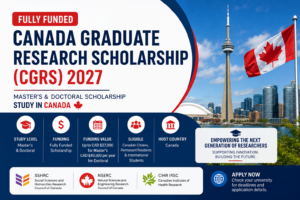
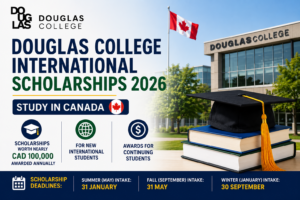
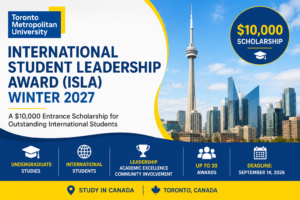
Canada offers scholarships at both undergraduate and graduate levels. Many universities provide automatic entrance awards based on academic performance. Graduate students, however, often benefit from assistantships, research funding, and departmental scholarships.
Institutions such as Manitoba, Regina, and Carleton provide excellent funding opportunities for Africans. If you’re building multiple applications, you can compare Canadian options to opportunities like the UNIDO internship to create a stronger academic profile.
Tuition Fees & Cost of Living in Canada
Tuition fees in Canada vary widely depending on the province and institution. Undergraduate programmes often range between CAD 17,000 and CAD 35,000 per year, while graduate programmes may cost between CAD 12,000 and CAD 25,000.
Living costs also vary. Winnipeg, Halifax, and Regina offer more affordable living, while cities like Toronto and Vancouver are significantly higher. Students often manage expenses by budgeting smartly, sharing accommodation, or taking remote or part-time jobs — similar to those seen on ICANSTUDENT’s student-friendly remote job posts.
Canadian Study Visa Requirements for Nigerians
To apply for a Canadian study permit, you will need:
- Your admission letter
- Proof of tuition deposit
- Six months’ bank statement
- Sponsor letter
- Valid passport
- Study plan or SOP
- Biometrics and medicals (if requested)
The visa process can take several weeks, so applying early gives you room to correct any issues if needed.
Frequently Asked Questions (FAQ)
What is the easiest school for Nigerians to get admission in Canada?
Schools with moderate competition like the University of Manitoba or University of Regina often offer flexible entry options.
Do I need IELTS to study in Canada?
Not always. Some schools waive IELTS for Nigerians depending on your programme or WAEC English grade.
Can I work while studying in Canada?
Yes. International students are allowed to work part-time during school periods and full-time during breaks under updated Canadian regulations.
Is proof of funds compulsory?
Yes. You must show enough money to cover your tuition and living expenses. This is one of the most important visa requirements.
How long does the visa take?
Processing times vary but can take between 4 to 12 weeks depending on the period and your document quality.
Final Thoughts
Studying in Canada is one of the most reliable international pathways for Nigerian students seeking quality education and long-term opportunities. When you follow the admission steps carefully, prepare your documents early, and explore scholarship or funding routes, the process becomes straightforward and achievable.